

Organizing, Nervous Systems, and the Rise of Medicinal Mushrooms
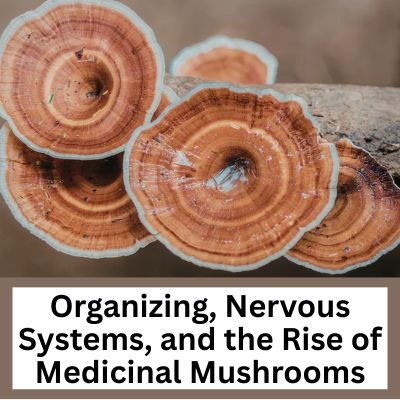
Lately, I have been experimenting with medicinal mushroom blends like Everyday Dose mushroom coffee and Moonbrew mushroom hot chocolate. As someone who spends a lot of time thinking about stress, nervous system regulation, focus, burnout, and the emotional side of organizing, I have found the growing interest in medicinal mushrooms fascinating.
For years, organizing conversations focused almost entirely on productivity:
buy the bins,
make the checklist,
follow the system,
wake up earlier,
try harder.
But more recently, I think people are beginning to realize that many struggles with clutter, overwhelm, procrastination, decision fatigue, and burnout are not simply “discipline problems.” Often, they are nervous system problems.
When people are chronically stressed, exhausted, emotionally overloaded, grieving, anxious, overstimulated, or burned out, executive functioning becomes harder. Decision-making becomes harder. Task initiation becomes harder. Even simple organizing projects can suddenly feel emotionally and physically overwhelming.
This is one reason I think wellness trends like adaptogens and medicinal mushrooms have become so popular.
People are searching for support.
Not just energy.
Not just productivity.
But resilience.
Medicinal mushrooms have been used in various traditional practices for centuries, though modern research is still developing. Some of the most commonly discussed mushrooms include:
- Chaga, “King of Medicinal Mushrooms”, frequently discussed for its antioxidant properties and immune support.
- Reishi, “Queen of Medicinal Mushrooms”, also called the “mushroom of immortality,” commonly associated with relaxation, stress support, and immune balance.
- Lion’s Mane, often associated with focus, cognition, and mental clarity.
- Cordyceps, often connected to stamina, endurance, and energy support.
What I find especially interesting is how closely these wellness conversations overlap with organizing conversations.
Many people are not truly struggling because they “don’t know how to organize.”
They are struggling because they are mentally overloaded.
Their brains are carrying:
unfinished tasks,
constant notifications,
decision fatigue,
emotional stress,
financial pressure,
family responsibilities,
grief,
burnout,
and the relentless pace of modern life.
In that state, clutter often becomes less about laziness and more about depleted cognitive bandwidth.
I have noticed that when people begin supporting their nervous systems, many organizing tasks become easier naturally. Sleep improves. Focus improves. Emotional reactivity decreases. People feel more capable of making decisions and following through on routines.
That does not mean medicinal mushrooms are magic solutions. They are not replacements for medical care, therapy, sleep, movement, nutrition, or sustainable life changes. And like many wellness products, some claims can absolutely become overhyped.
But I do think the popularity of these products reflects something important culturally:
people are tired of running on adrenaline.
For decades, productivity culture glorified caffeine, hustle, overwork, pushing through exhaustion, and ignoring stress signals. Many people are now realizing that constant overstimulation comes with consequences.
Organizing itself can become part of nervous system care.
A calmer environment can reduce visual overstimulation.
Functional systems reduce decision fatigue.
Decluttering can reduce cognitive load.
Routines create predictability and safety.
Intentional spaces can support rest rather than constant activation.
In many ways, both organizing and wellness are moving toward the same larger conversation:
how do we create lives that feel sustainable?
Not perfect.
Not hyper-productive.
Not aesthetically flawless.
Just sustainable.
Maybe that is part of why medicinal mushroom coffee and calming evening drinks are resonating with so many people right now. They represent a shift away from “push harder” culture and toward supporting the body and mind more gently.
And honestly, I think a lot of people need that.
Personally, I have enjoyed experimenting with both Everyday Dose and Moonbrew as part of my own routines. I appreciate that they encourage a slower, more intentional approach to energy, focus, and rest rather than simply pushing harder through exhaustion.
Of course, everyone’s body responds differently, and these products are not meant to diagnose, treat, or cure medical conditions. But if you have been curious about medicinal mushrooms and want an approachable way to explore them, I’ve included my referral links below.
Purchase Moonbrew products through my link for 15% off your first order!
Purchase Everyday Dose products through my link for $5 off your first order!
If you try them, I’d genuinely love to hear what you think.

Posted By Jean Prominski, Certified Professional Organizer
- Follow me on Instagram @carlsbadsparkle
- Join my Facebook Group, Declutter and Organize with SparkleHomeOrganizing.
- Ready to book a consultation? Complete this form.
- For artwork to energize your home, order through jeanprominski.com.
Disclosure: This post may contain affiliate links, including Amazon affiliate links. If you purchase through these links, I may earn a small commission at no additional cost to you. I only share products I personally use, enjoy, or genuinely believe may be helpful to others.